
Leading Outdoor Stairs Replacement Products for Durable Solutions
Explore top-rated options designed to enhance safety, durability, and style for your outdoor stairs renovation projects.
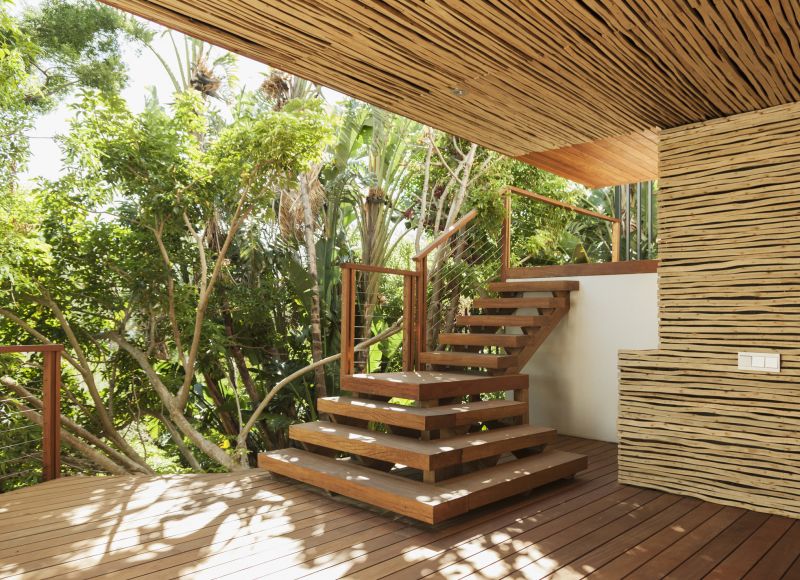 Replacing outdoor stairs is an essential task for maintaining safety and aesthetic appeal around residential or commercial properties. The selection of appropriate products depends on various factors including durability, weather resistance, and ease of installation. Materials such as wood, composite, concrete, metal, and stone are commonly used, each offering unique advantages and considerations. Wooden stairs can provide a traditional look but may require regular maintenance, while composite options often deliver low maintenance and long-lasting performance. Concrete stairs are highly durable and suitable for heavy use, whereas metal stairs can offer modern aesthetics with robust strength. Stone options, including natural flagstone or quarried materials, lend a timeless appearance but may involve more complex installation processes.
Top Overall Option
All-Purpose Outdoor Stair Treads
All-purpose outdoor stair treads are versatile and designed to fit a wide range of stair sizes and styles. They are typically made from durable materials such as rubber, heavy-duty plastic, or composite, offering good slip resistance and weather durability. These treads are easy to install, often with adhesive backing or simple fastening methods, making them suitable for DIY projects. Their textured surfaces help reduce the risk of slips and falls, especially in wet or icy conditions. Overall, they provide a practical and adaptable solution for outdoor stairs, combining safety, durability, and ease of use.
Types of Products For Outdoor Stairs Replacements
Wooden Stair Stringers
Pre-cut or custom wooden stringers serve as the backbone for traditional wooden stairs, providing support and structure.
Composite Decking Boards
Composite materials are designed to mimic wood while offering lower maintenance and increased weather resistance.
Concrete Stairs
Concrete stairs are highly durable and suitable for high-traffic outdoor environments, often customizable with textures and finishes.
Metal Stair Kits
Metal stair kits provide modern aesthetics with strong structural support, often made from steel or aluminum.
Natural Stone Steps
Natural stone options such as flagstone or quarried stone offer timeless beauty and durability for outdoor stairs.
Precast Concrete Steps
Precast concrete steps are manufactured off-site and delivered ready for installation, simplifying the process.
Rubber Stair Treads
Rubber treads are flexible, slip-resistant, and weatherproof, ideal for safety-focused outdoor stairs.
Aluminum Stair Nosings
Aluminum nosings enhance safety by providing slip resistance and edge protection for existing stairs.
Vinyl Outdoor Stairs
Vinyl options are low-maintenance, weather-resistant, and available in various styles suitable for outdoor use.
Stone Veneer Cladding
Stone veneer can be applied to existing structures to give the appearance of natural stone without full replacement.
Cable Railing Systems
Cable railings provide safety and visibility, complementing various stair styles with a modern touch.
Outdoor Stair Lighting
Lighting solutions enhance safety and aesthetics, including solar-powered or hardwired fixtures.
Anti-slip Tape and Coatings
These safety accessories improve traction on outdoor stairs, especially in wet or icy conditions.
Decorative Tile Treads
Weather-resistant tiles can be used to customize the look of outdoor stairs with patterns and colors.
Popular Choices
Wooden stairs treated for weather resistance remain a popular choice for traditional aesthetics.
Composite kits offer low maintenance and are favored for their durability and modern look.
Precast or poured concrete steps are commonly selected for their longevity and structural stability.
Metal stairs are appreciated for their strength and sleek appearance, suitable for various outdoor environments.
Natural stone options are often chosen for their timeless appeal and durability.
Rubber strips are popular for adding slip resistance to existing stairs or new installations.
Aluminum nosings are widely used to enhance safety and extend the life of stair edges.
Vinyl covers are a trending low-cost, low-maintenance solution for improving outdoor stairs.
Stone veneer applications are favored for transforming the look of existing stairs with minimal effort.
Modern railing systems like cable or glass are popular for their aesthetic appeal and safety features.
Solar-powered lighting options are trending for their ease of installation and energy efficiency.
Anti-slip tapes are commonly used for added safety, especially in icy or wet conditions.
Decorative tiles are increasingly popular for customizing outdoor stairs with unique patterns.
When choosing replacement stairs, it’s important to evaluate the specific needs of your outdoor space, including the level of foot traffic, exposure to elements, and existing architectural style. Proper measurement and understanding of load capacity are crucial to ensure safety and longevity. Additionally, slip resistance is a vital feature to consider, especially in areas prone to moisture or ice. Many products now incorporate textured surfaces or anti-slip coatings to enhance safety. Installation methods vary from simple DIY projects to more complex procedures that may require professional assistance. Overall, selecting the right product involves balancing aesthetics, functionality, and budget to achieve a safe and attractive outdoor staircase.
Regular maintenance, such as cleaning and sealing, can extend the lifespan of your chosen stairs. For wooden options, periodic staining or sealing helps prevent rot and decay. Composite and metal stairs typically require less upkeep, but inspections for loose fittings or corrosion are recommended. Concrete stairs may need crack repairs over time, and stone steps should be checked for stability. By understanding the various options and considerations, you can make informed decisions that best suit your outdoor environment and personal preferences.
Key Buying Considerations
- Material durability and weather resistance to withstand outdoor conditions.
- Compatibility with existing structures and architectural style.
- Slip resistance features for safety in wet or icy weather.
- Ease of installation and whether professional help is required.
- Maintenance requirements for cleaning, sealing, or repairs.
- Load capacity and structural support to ensure safety.
- Aesthetic appeal and how well the product complements your outdoor space.
- Cost and overall budget constraints.
- Availability of customization options such as color, finish, or size.
- Resistance to pests, rot, and corrosion for long-term use.
- Type of installation method, whether DIY-friendly or requiring specialized tools.
- Environmental exposure factors like wind, rain, and temperature fluctuations.
- Additional safety features such as lighting or handrails.
- Compliance with local building codes and safety standards.
- Potential for future upgrades or modifications.